

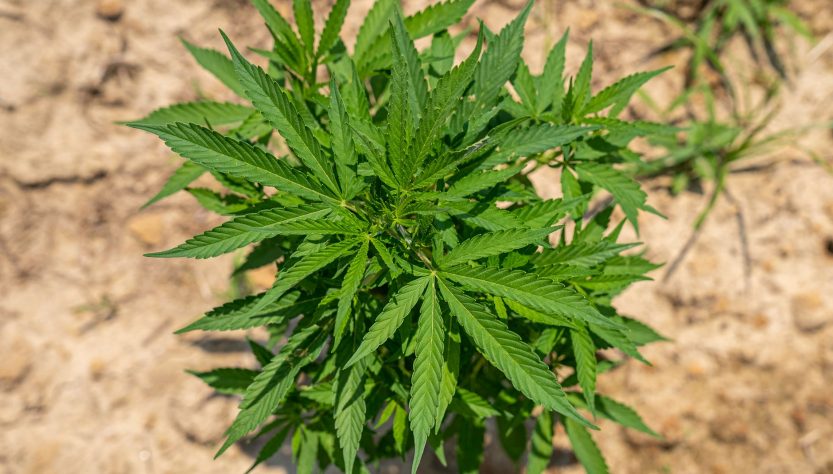
Outdoor cultivation and indoor growing produce hemp flower with measurably different compound profiles, and the difference begins at the environment level before any other variable enters the picture.
Outdoor plants move through genuine seasonal pressure. Fluctuating temperatures, natural light cycles, and variable soil conditions push the plant to develop trichome structures and compound expression that a climate-controlled room does not reproduce. Buyers who shop THCA flower here from field-grown sources will find these characteristics documented in the laboratory profile across each harvest batch.
Indoor cultivation trades environmental complexity for precision. Light spectrum, humidity, and feed ratios are held to fixed parameters, producing flowers with consistent physical characteristics from one harvest to the next. This approach serves research programmes where batch-to-batch repeatability outweighs the value of compound variation.
Soil composition and compound expression
How the root zone is structured determines what the plant can access, and that access shapes the final flower more directly than most procurement checklists account for.
Living soil
Hemp can draw from a functioning microbial layer when grown in living soil. It is impossible to replicate nutrients released by bacteria, fungi, and decomposing organic matter in synthetic feed. Terpene density and structural development are both influenced by nutritional complexity.
Hydroponic systems
Nutrient delivery is direct, dissolved, and precisely measured. Output consistency tightens across batches, but the compound range tends to be narrower than what living-soil environments produce over a comparable growth cycle. Procurement teams that factor substrate origin into sourcing decisions are working with data that supports that level of attention.
Harvest timing and potency outcomes
Trichome maturity determines compound concentration at harvest, and cultivators approach this stage in two distinct ways.
- Observation-based timing
Cultivators track trichome colour and structural change directly across the final weeks of growth. Cutting before peak maturity locks in a lower compound concentration than the plant had available. Suppliers who document and share this process demonstrate a cultivation approach built on direct plant assessment.
- Fixed calendar scheduling
Some operations apply predetermined cut dates regardless of actual trichome development. Buyers comparing flowers across suppliers can use harvest timing records as a practical indicator of how closely the cultivation process tracked actual plant readiness rather than production convenience.
Drying and curing after harvest
A product’s post-harvest handling carries as much weight as what happened during active cultivation. Two distinct stages define this phase.
Controlled drying conditions determine whether compound integrity survives the transition from living plant to stable product. Key variables include:
- Airflow rate and direction throughout the drying space.
- A temperature range is maintained that limits compound degradation.
- Humidity levels are monitored consistently to prevent moisture retention in the flower.
Curing extends the stabilisation process after drying. During the drying process, residual chlorophyll breaks down, terpene profiles settle, and the flower becomes chemically stable. Certificates of analysis alone cannot provide a full picture of the product to buyers who request documentation.
Cultivation environment, substrate, harvest timing, and post-harvest handling affect flower quality. Compared with batch certificates alone, origin documentation covers all four stages.